ANIMATION
Project Overview
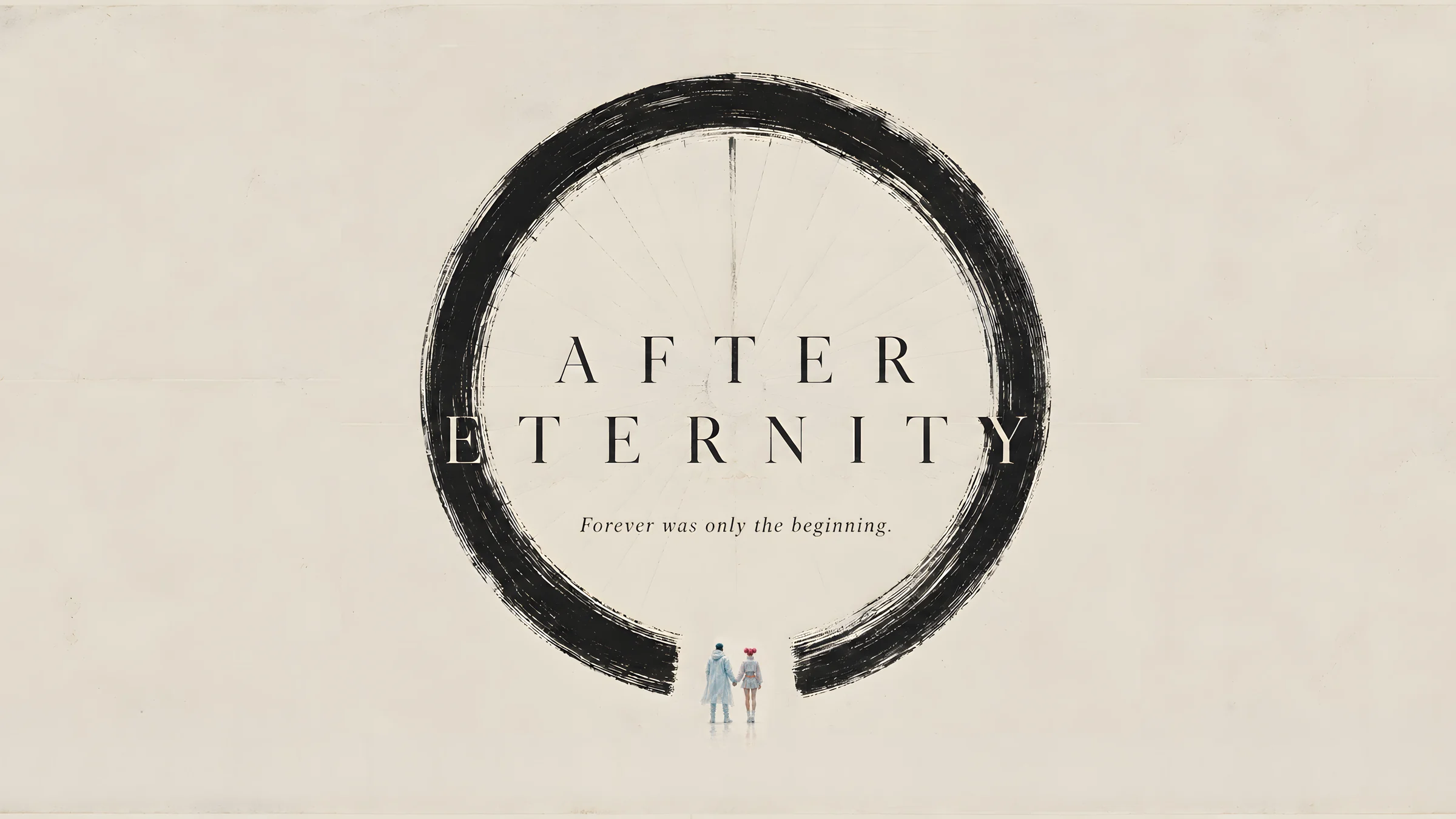
After Eternity is an original science-fiction concept developed by Hype Entertainment for the Future Vision XPRIZE, a global filmmaking competition created to inspire optimistic visions of humanity’s technology-enabled future.
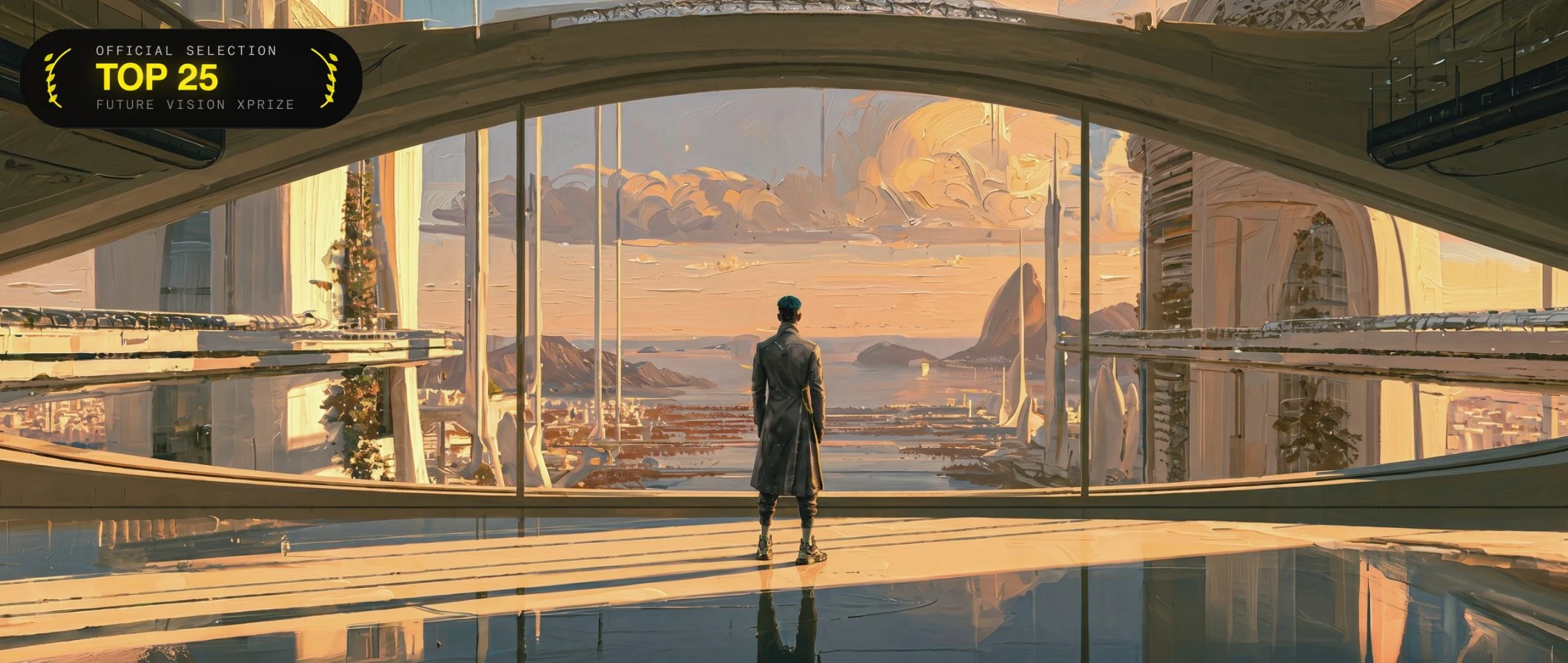
After Eternity reached the Top 25 of the Future Vision XPRIZE from more than 2,500 submissions worldwide.
General Concept
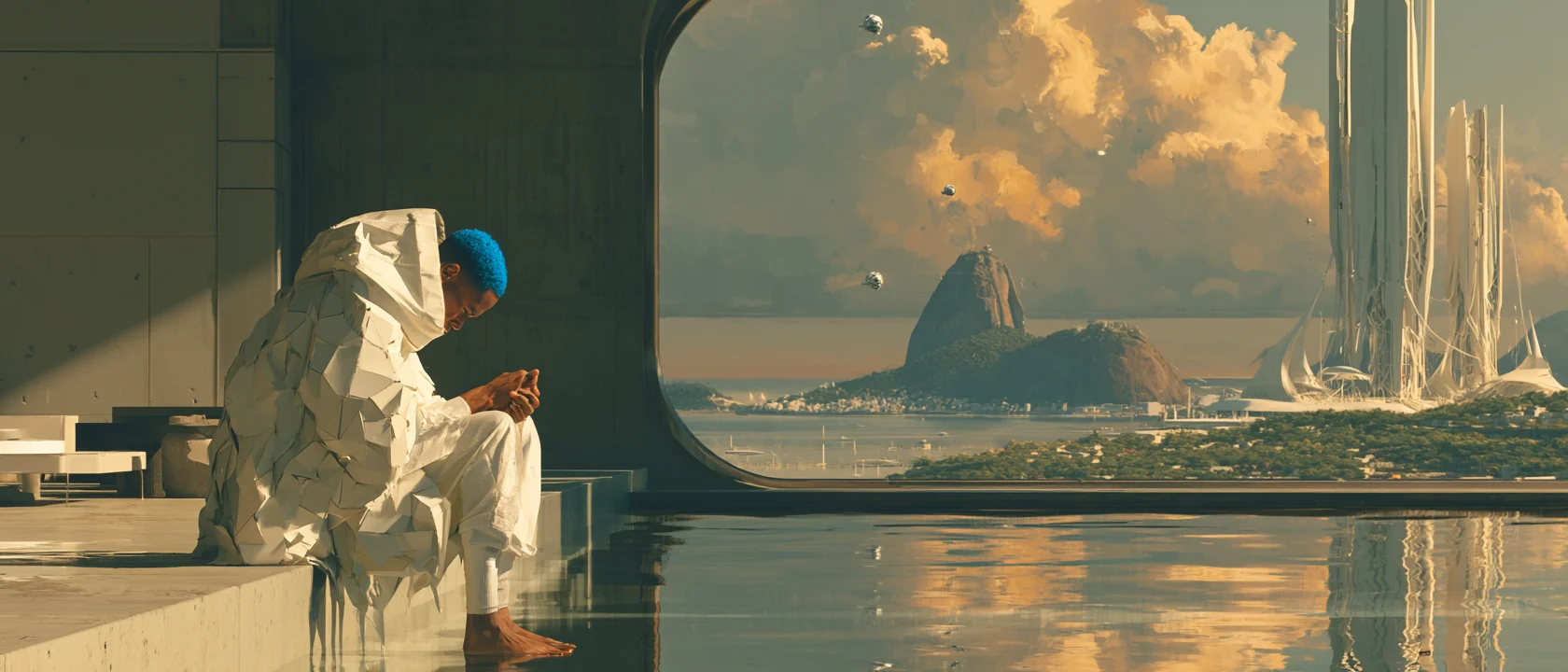
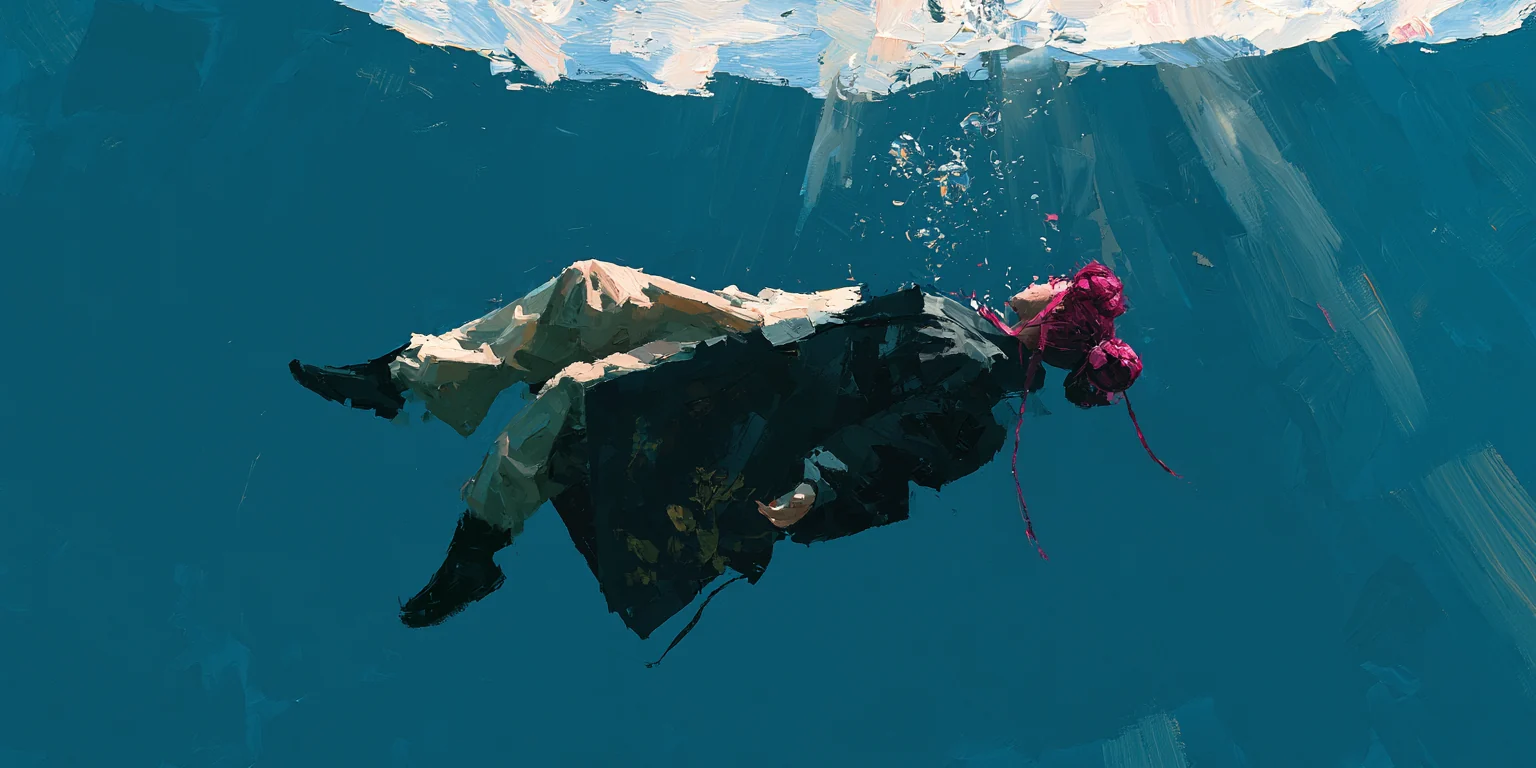
After Eternity is set nearly two centuries after humanity has conquered biological aging. Its protagonist, Niw, is one of the last people alive who can remember a world where everyone grew old and eventually died.
While humanity expands across the stars and celebrates what appears to be an endless present, Niw remains emotionally connected to the past, painting images of wrinkles, violence, loss and other remnants of a time when the passage of years still shaped the value of life.
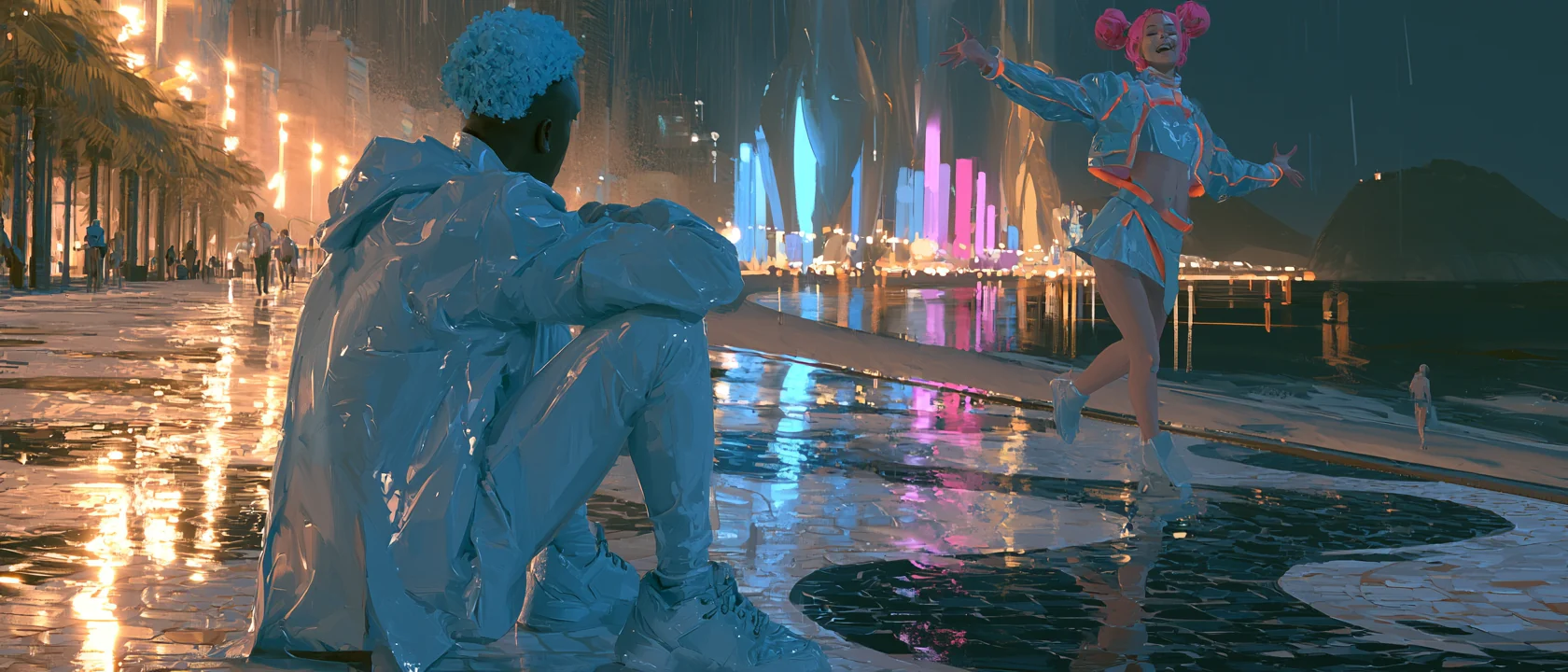
His journey changes when he meets Luj, a young woman born with a rare genetic condition that prevents her from undergoing the treatment that has made the rest of humanity virtually immortal. Together, they set out in search of a place where her condition might be understood — and where the finite nature of her life forces Niw to reconsider his own relationship with time.
Their encounter sets in motion a journey across the universe — and a reflection on mortality, love and what gives meaning to the time we have.

OFFICIAL TRAILER
After Eternity
A Future Where Moments Count
The official XPRIZE description distills the story into its central contradiction: in a world that has conquered aging, a two-hundred-year-old painter helps a woman who still ages find a world where moments count.
The premise turns immortality into an emotional question. If time no longer runs out, do choices, memories and relationships retain the same urgency? Luj’s finite life asks Niw to confront everything his society has learned to overlook.
Exploring AI Filmmaking
After Eternity also became an important experimentation ground for Hype. The Future Vision XPRIZE explicitly welcomed new production approaches, allowing filmmakers to work with traditional filmmaking, animation, AI-generated content or hybrid workflows. For Hype, this created the opportunity to explore generative AI as part of a professional filmmaking process for the first time at this scale.
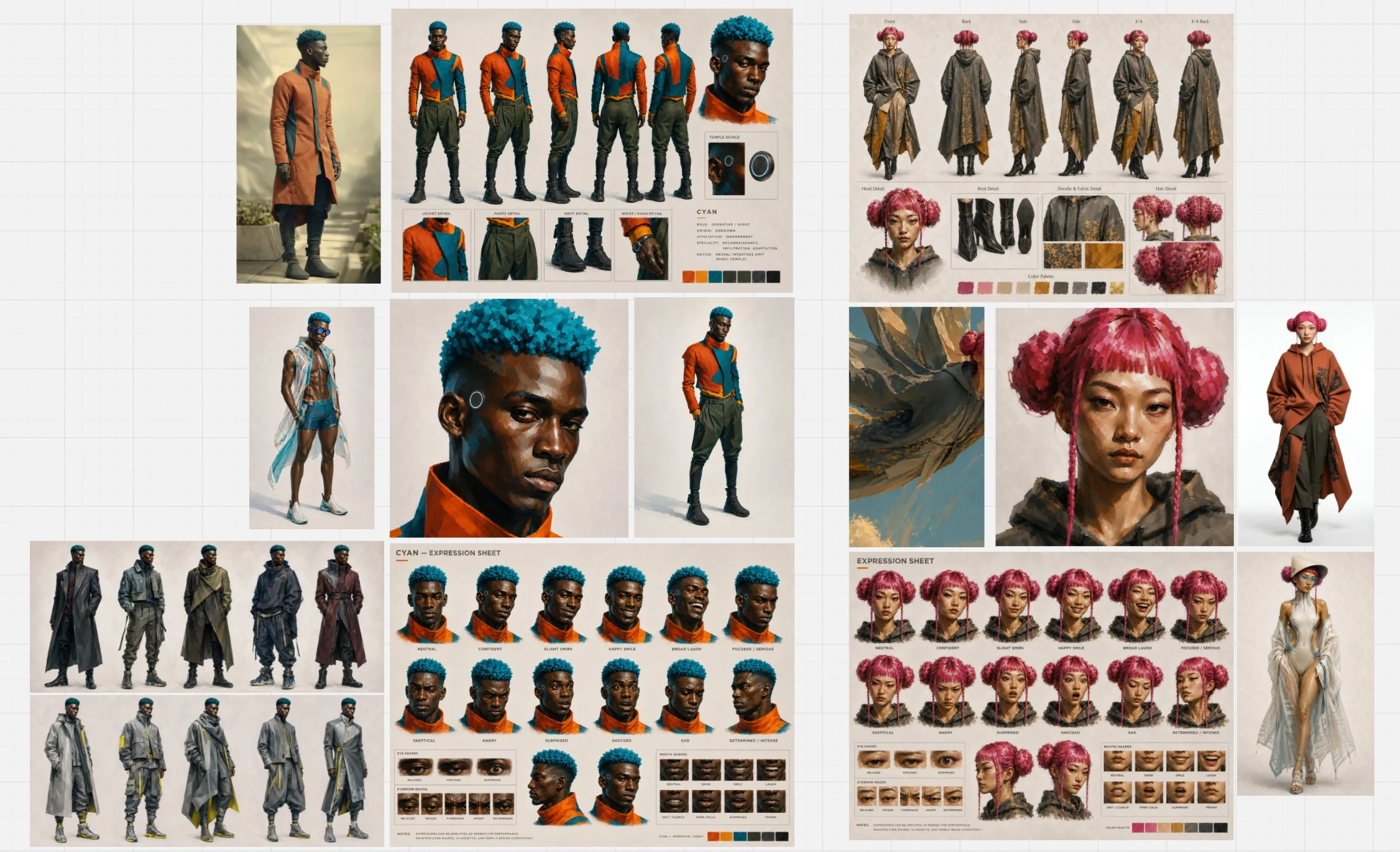
Rather than treating AI as the creative idea itself, the team used the project to understand where emerging tools could become useful throughout development: rapidly exploring environments, architecture, characters, moods, compositions and cinematic situations before refining them into a coherent visual language.
The result was a new kind of proof-of-concept workflow, combining Hype’s experience in art direction, animation and visual storytelling with generative tools that made it possible to visualize a much larger science-fiction world within the time and resources of a competition trailer.
For the studio, After Eternity became both a creative project and an R&D exercise: a practical opportunity to test where AI could accelerate iteration, where traditional artistic control remained essential, and how the two approaches could work together in the development of an original feature-film concept.